Trauma Therapy
Reclaiming safety, meaning, and connection.
Everything Feels Different Now
You want your life back. You’ve experienced something that’s left you fundamentally changed and you’re so tired of feeling trapped in the same cycles, the same loops, the same thoughts. Sometimes you loathe getting out of bed. Sometimes you don’t want to be here. Oftentimes you wonder - why bother? Experiences, places, or even people once brought joy now create nervousness, anxiety, and tension.
Trauma can fundamentally change the way we experience ourselves and the world around us. It affects the nervous system, shaping how we respond to perceived threats, relate to others, and even how safe we feel in our own bodies. Sometimes it can feel like we’re caught in the same recurring thoughts, reactions, and patterns, unable to find a way out. It’s awful, and you want to know what can help.
How Trauma Changes the Mind and Body
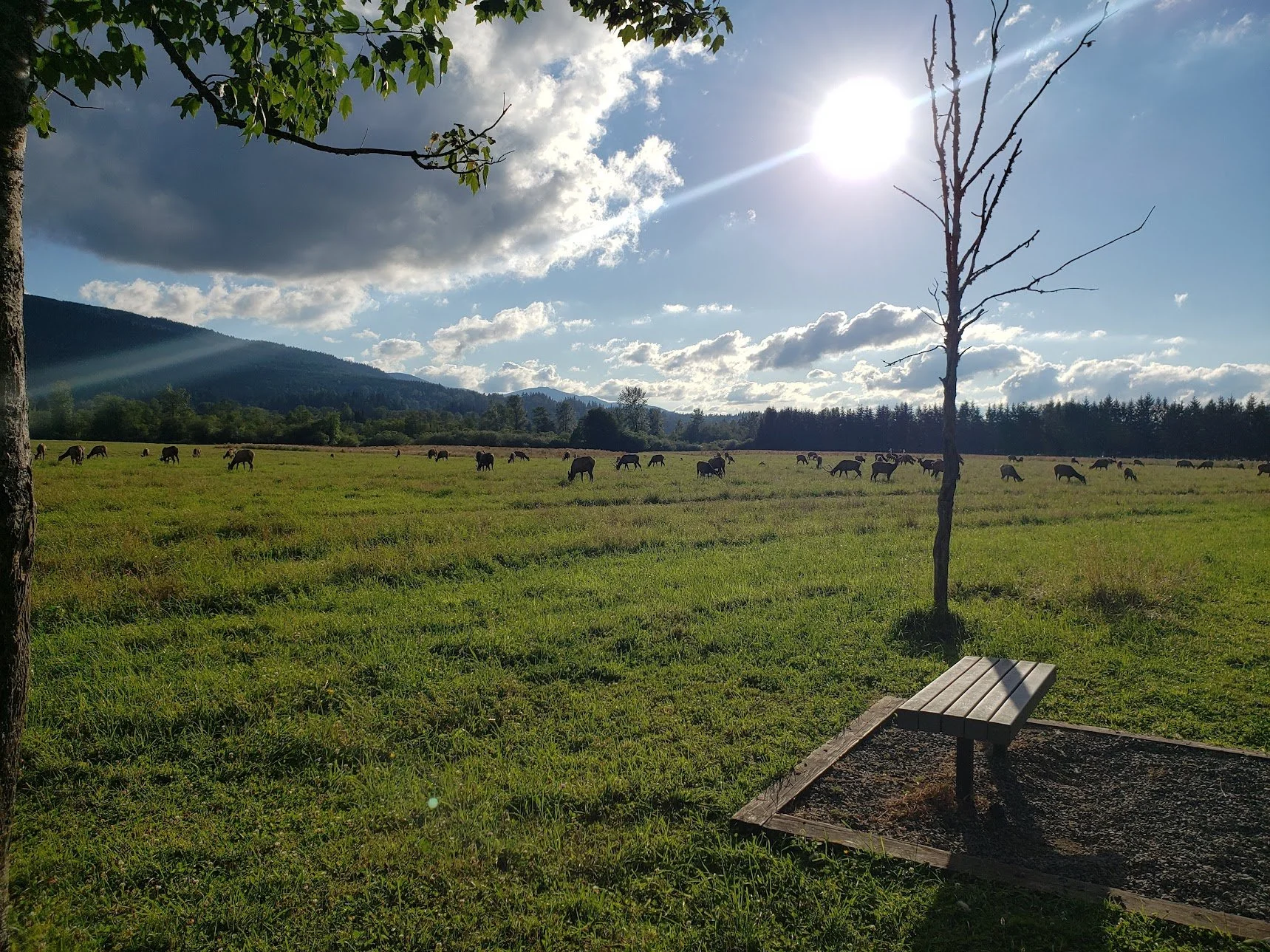
Trauma lives in the body and the nervous system but it can help to visualize what it does. Imagine that, when you’re born, your mind is a wide open field. The grass is tall and untrodden. You can go anywhere. As time passes, paths form where you walk most often and become solidified and sedimented in your being. Trauma can be like a powerful, raging river suddenly cutting through that landscape - right in the middle of your path. The paths you once knew are no longer accessible in the same way. You’re left disoriented, unsure of where to go, and perhaps even wondering how to find your way back. This can manifest in many different ways:
Feeling constantly on edge, anxious, or waiting for something bad to happen
Anxious ruminations and emotional overwhelm
Avoidance of people, places, and things
Difficulty sleeping, nightmares, persistent fatigue, and hypervigilance
Feeling disconnected from your body and your emotions, or a general feeling of numbness
Struggling with trust, vulnerability, or letting people get close
It’s understandable to want to go back, to be who you were before. You just want this huge, roaring river to go away. While you might not be able to undo what happened you can find your way forward again. You can experience healing, relief, connection, and joy again.
You can go home again… but you can’t go back home again.
— The Dispossessed, Ursula K. Le Guin
Finding A Way Forward
In therapy, I approach the work around trauma as the work of finding ways to navigate this now unfamiliar terrain. It begins with us co-creating a space that allows your nervous system to begin to rest, like setting up camp alongside the river. From a place of relative safety we can begin to explore how to create new ways of relating to yourself, others, and the world around you; new pathways, new meaning, and new ways of being. At times this may involve looking back and processing what’s happened; at other times it will involve looking forward towards what you want. It takes time to create new pathways that feel as familiar and well-trodden as the original ones and together we’ll hold space for all the bumps along the way. A book I like for beginning to explore questions of meaning, particularly in the aftermath of suffering, is Man’s Search for Meaning by Viktor Frankl.